

Fiction #7, Eel

A few years ago, I was working on a kind of world. A series of stories around related characters; a family of modern-day Vikings living in the danelaw.
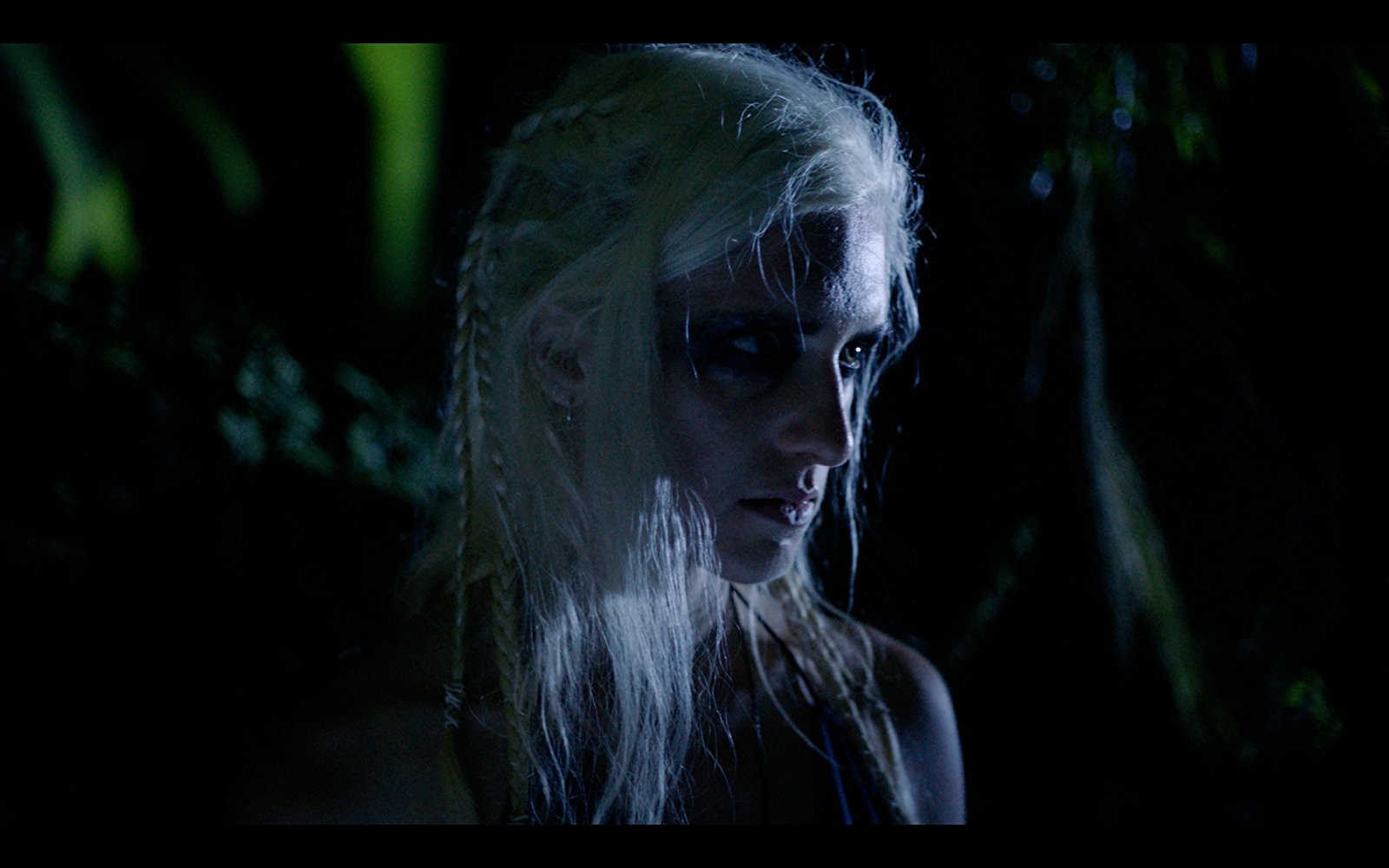
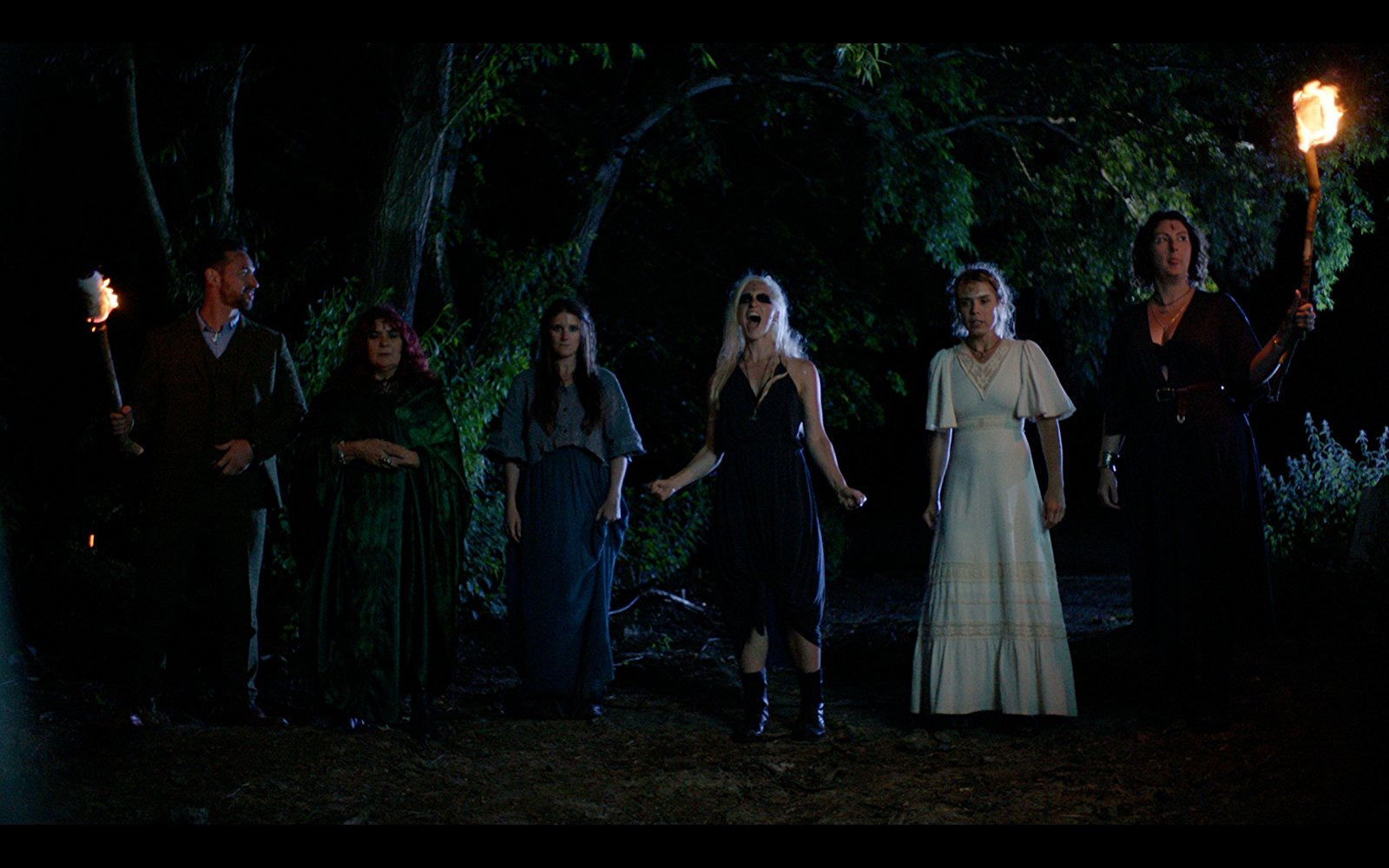
I even wrote and directed a short film based on it, which helped me get more work in that field (some stills from that film at the end of this post). I imagined the novelised version of the story as a trilogy (I enjoy trilogies) or duology.
At the time, I was in a reading group with three other writers. We read short stories, and sometimes wrote and shared stories together. I wrote ‘Eel’ for this group.
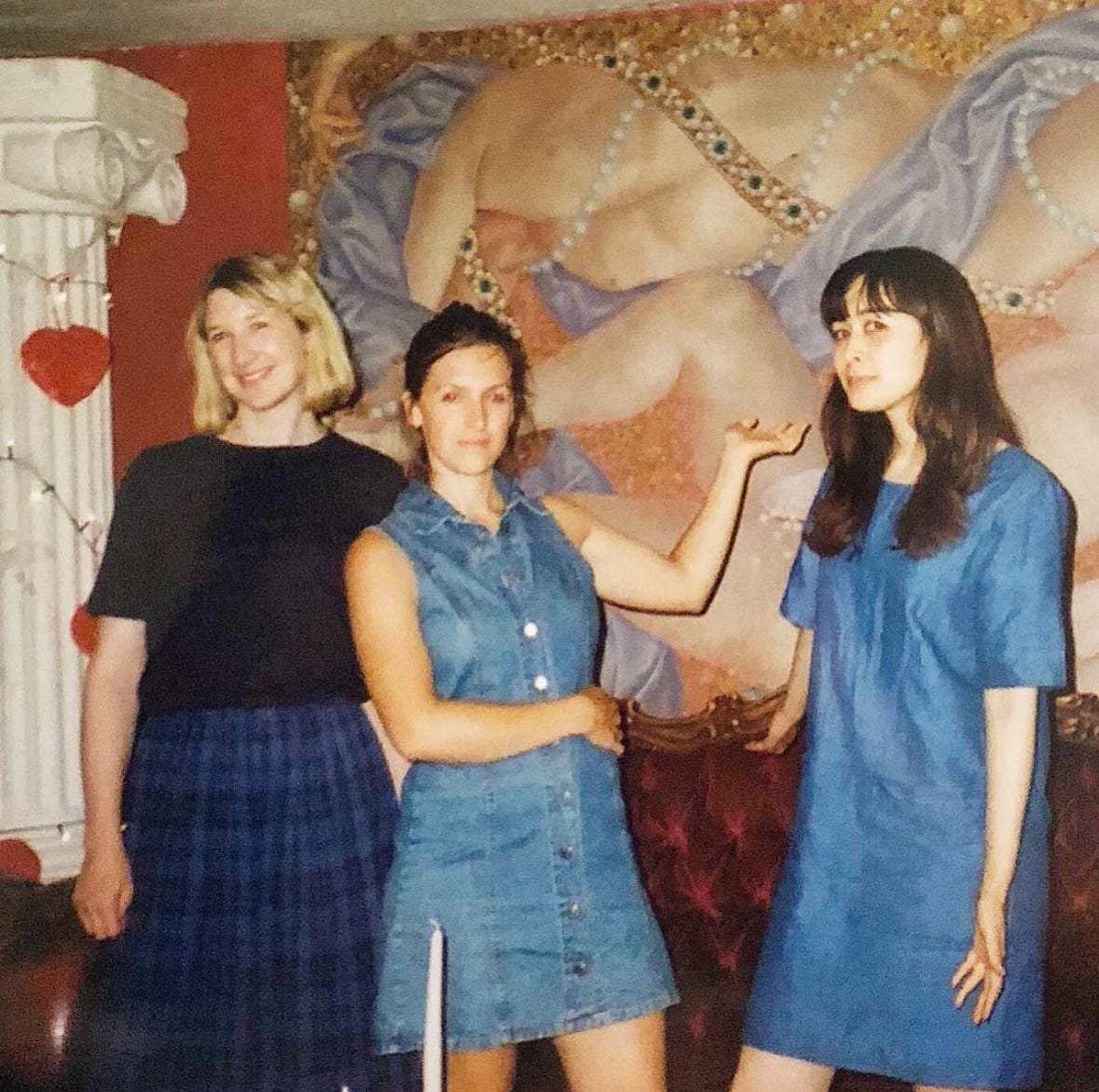
Frankie
The call came in around six thirty in the morning, and the captain and I went to investigate. An eel man, Johnny Hawkspur, had been fishing for lunch when he found her. Eels were once a staple food in this area, and there are still a few eel men who work the river banks, up and down the Bain and the Witham. When my family moved here eels were used to pay rent. Fishing for them is banned now. The locals ate them until there weren’t any left, the fools.
We came expecting a body, but after we tramped across the field Johnny showed us a bloody shawl and some lace from her petticoat, caught on the brambles by the river as if torn off the body on its way downstream. The shawl was stuck in situ, on a tree root that pointed into the river and rested just above the clear, icy water. The captain wrinkled his nose, stood back, on the bank. I peered over the edge at the shawl. Eels teemed beneath it.
The eel is a snake-like fish. It begins as larvae, drifting in the surface waters of the sea. Under a microscope it is beautiful, transparent, with a skeleton like a sculpture made of wire wool. It feeds on small particles, before shape-shifting into a glass eel, the gills and heart now red with blood. Finally, the skin mists like a window, becoming opaque, hiding and protecting those delicate bones.
Sigmund Freud dissected hundreds of eels, looking for the male sex organs.
“There’s nowt here, John Hawkspur.”
Johnny bit down on his pipe, which was empty and unlit. “Tha’s blood on that, Captain.”
“Maybe so, but from what? Human? Dog? Teenagers mucking about?”
Every eel that ever lived came from the Sargasso Sea, in the Caribbean. Passengers on the Gulf Stream, they wind up on the Continental Shelf in spring and change shape, rattening out, gaining a dimension, going from two to three. They let the tide wash them into the river mouths. If there’s bog or fen they will travel over land. They pick a river bank or a quiet pool and stay. They don’t breed there. They only live and feed.
“I can’t investigate a shawl,’ the Captain is saying.
Johnny makes a little grunt, stares disconsolately past me. I look too. It’s pale and strange, this garment. Made from something unbleached. Hand-woven, with technical ends. But why blood? “Why blood?” A good detective might be thinking. “If found in the river?” Because a good detective would realize a river is something you drown someone in. Or somebody drowns in. If you were to beat someone over the head to get them into the river to drown, their shawl wouldn’t have time to become bloody.
This shawl - if it belongs to a dead woman - must have been bloodied for some time. So is it body disposal? Or a knife wound? There are none in the shawl. Was it used to staunch blood flow? No, because the pattern would show creases. This stain is even and round edged. A good detective would be thinking all these things. Say these things.
Wouldn’t even need to be that good. But I don’t say ‘em, do I? So what am I?
The Captain is spinning a story now. A report about some teenagers, shrieking heard.
He tells Johnny he thinks someone sorted them out. Perhaps one of them cut themselves on a beer bottle. He’ll look into it.
“Bag it anyway, Frey,” he calls to me. “Let it not be said the local force doesn’t take these things seriously.”
Nodding to Johnny, he adds, “We’ll find out who it belongs to. But don’t worry. There’s usually a reasonable explanation for all manner of odd events.”
I stumble back up the bank, holding two evidence bags, with the shawl made by the witch’s hands and the lace from the girl’s petticoat. The Captain claps me on the back, and we walk with Johnny out of the field. He still looks uncertain, but he gives us a nod when it becomes clear Captain expects Johnny to leave first, before we get in the Landrover.
As Johnny turns, the Captain salutes his back and smiles, tilting the skin of his getting-old face up to the sun. We were lovers once, as children. It was written by fate that we would be together. The trials predicted it. The witch foretold it. But I could not be with him. He felt slippery, like an eel.
Eels are ambush predators. They wait for their prey to pass by, then dart and seize it in their teeth. They are the python of East Anglia.
We climb into the car, me behind the wheel. I don’t start the engine for a moment.
Captain reaches for his coffee, spiked with some of last night’s brew. His swallow is proud and takes up space. His presence takes up space. His smell.
“Maybe those eels did it,” I mutter.
The Captain clears his throat, winds the window down, spits onto the dew-fresh grass.
“That’s what we’ll tell the paper then, when they notice she’s gone.” He takes another sip of his hangover-buster. “Yes. Strangled by eels.” He glances at me and grins.
We start to laugh, and I can’t stop.
Thank you for taking the time to read my writing. If you enjoyed this post, felt like it spoke to you in some way, please share it via the button below or leave a comment. I really appreciate the support and your continued readership.
Buy my novels from independent bookshops here. (Every sale supports my work, as I earn commission on them at no extra cost to you.)
Find me on Instagram.
Such a nice short story that really teases the worldbuilding.